✨ Welcome to our new update!
Java Game 240x320 Gameloft Exclusive -
Secure, scalable, and game-changing authentication for your applications. Get started in minutes with our powerful APIs and SDKs.
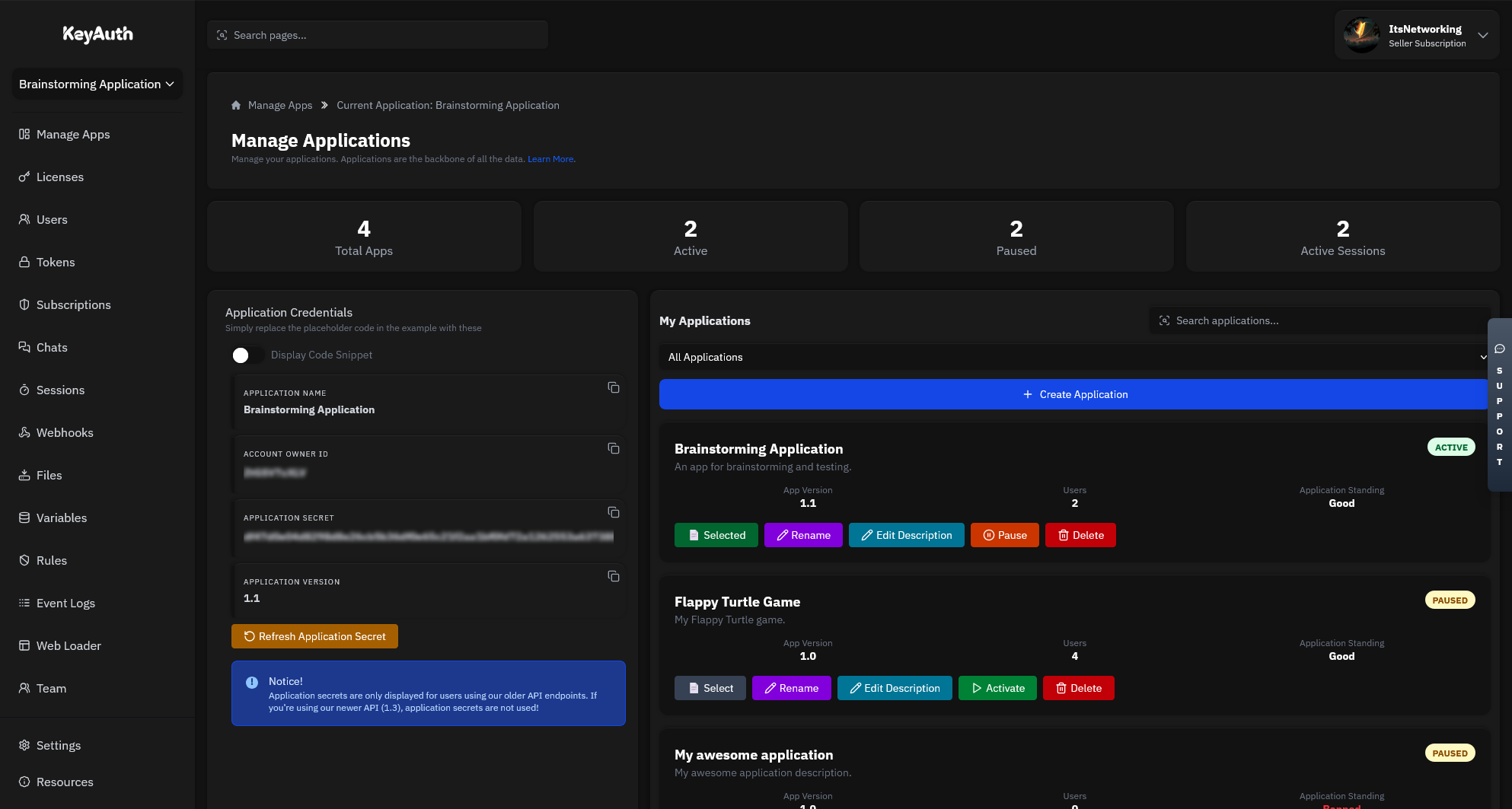
Secure, scalable, and game-changing authentication for your applications. Get started in minutes with our powerful APIs and SDKs.
Integrate into any programming language

A comprehensive suite of integrated tools for authentication, monetization, and user engagement.
Create and manage user licenses with flexible expiration, trial, and subscription options.
Our lightning-fast infrastructure ensures your authentication requests are processed in under 50ms globally. With 99.99% uptime and redundant systems, your users will never experience delays.
Manage your applications remotely with our powerful Seller API. Update licenses, ban users, modify subscriptions, and monitor usage from anywhere in the world with full administrative control.
Gameloft’s winning formula was simple yet brilliant:
: Utilized the MMAPI (JSR-135) to include compressed music and sound effects, making games more immersive than the standard MIDI sounds of the time. Alibaba.com How to Play Today
In the early 2000s, mobile phones with color screens and Java support became increasingly popular. The 240x320 resolution, also known as the "QVGA" (Quarter Video Graphics Array) resolution, emerged as a standard for mobile gaming. This resolution offered a decent balance between graphics quality and performance, making it an ideal choice for developers.
Download J2ME Loader from the Google Play Store. It is highly compatible and allows you to custom map touch controls and upscale the classic 240x320 resolution.
. These versions included full missions and higher-quality assets that lower resolutions lacked.
Technically and culturally, those games influenced later mobile development. Practices for optimizing art, audio, and code under constrained resources persisted as best practices for performance-sensitive development. Moreover, business lessons about carrier relationships, platform fragmentation, and the value of exclusive content foreshadowed modern conversations about platform control, app store gatekeepers, and timed exclusives. As smartphones emerged and screen resolutions and input paradigms changed, the specific artifact of a “240×320 Gameloft Java exclusive” receded, but the broader patterns — optimizing for constraints, designing for short play, and negotiating platform exclusivity — remain relevant.
There's no question as to why we are the best choice for your business and one of the most used Authentication services.
Head over to our register page to create your account.
Applications will be the heart of your service. This is where all your users, licenses, chats and more will be stored.
Head over to our GitHub to find our examples and client API files. Simply follow the steps and have authentication up in less than 5 minutes.
Control your application from anywhere using our mobile app. Manage licenses, chat with users, and view analytics directly from your phone or tablet.
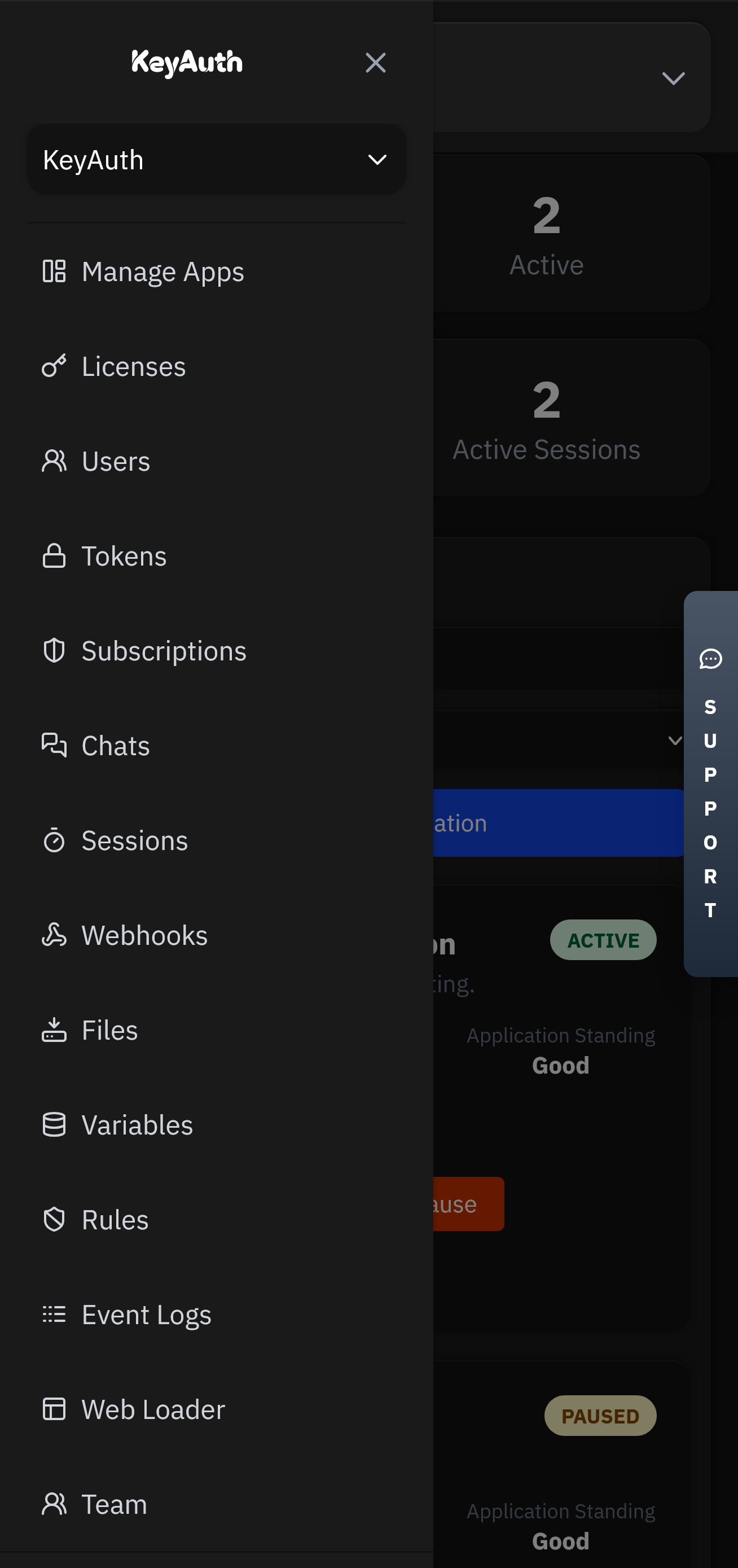
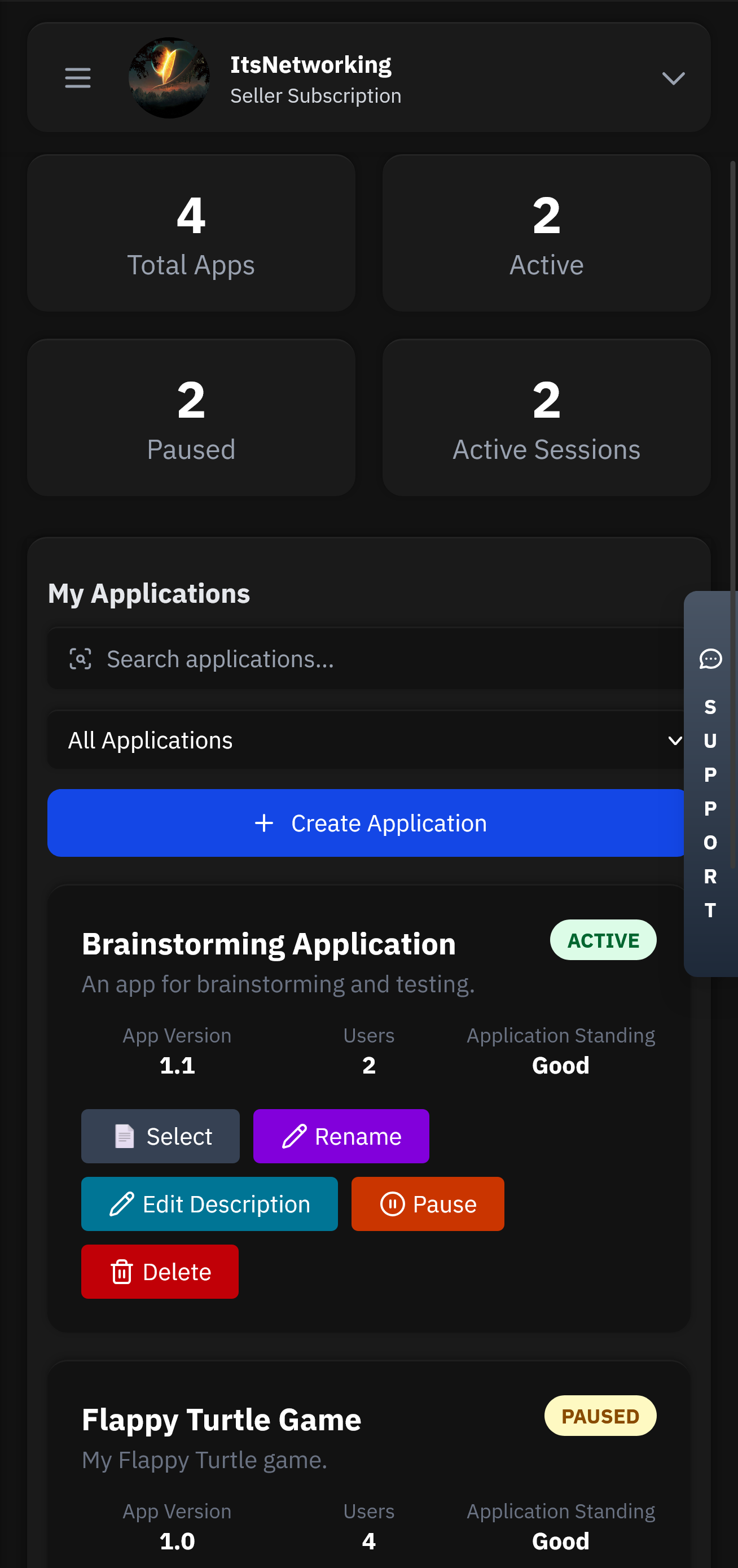
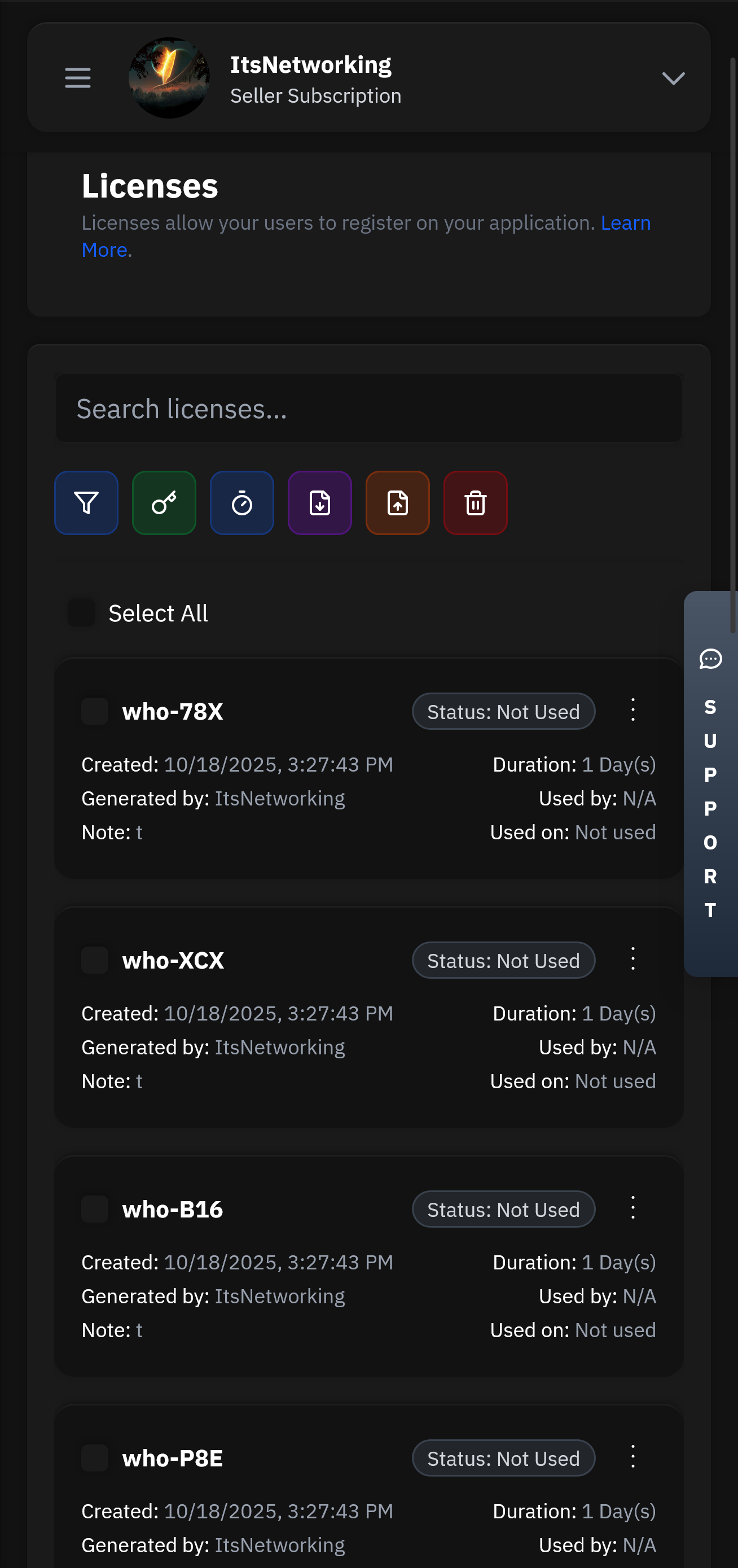
Flexible options for teams of all sizes.
Pick an attack, watch the defense, and estimate monthly revenue saved.
Gameloft’s winning formula was simple yet brilliant: java game 240x320 gameloft exclusive
: Utilized the MMAPI (JSR-135) to include compressed music and sound effects, making games more immersive than the standard MIDI sounds of the time. Alibaba.com How to Play Today Gameloft’s winning formula was simple yet brilliant: :
In the early 2000s, mobile phones with color screens and Java support became increasingly popular. The 240x320 resolution, also known as the "QVGA" (Quarter Video Graphics Array) resolution, emerged as a standard for mobile gaming. This resolution offered a decent balance between graphics quality and performance, making it an ideal choice for developers. This resolution offered a decent balance between graphics
Download J2ME Loader from the Google Play Store. It is highly compatible and allows you to custom map touch controls and upscale the classic 240x320 resolution.
. These versions included full missions and higher-quality assets that lower resolutions lacked.
Technically and culturally, those games influenced later mobile development. Practices for optimizing art, audio, and code under constrained resources persisted as best practices for performance-sensitive development. Moreover, business lessons about carrier relationships, platform fragmentation, and the value of exclusive content foreshadowed modern conversations about platform control, app store gatekeepers, and timed exclusives. As smartphones emerged and screen resolutions and input paradigms changed, the specific artifact of a “240×320 Gameloft Java exclusive” receded, but the broader patterns — optimizing for constraints, designing for short play, and negotiating platform exclusivity — remain relevant.


Got questions? We've got answers. If you can't find what you're looking for, feel free to reach out to our support team.