✨ Welcome to our new update!
Che Guevara Bolivian Diary Pdf _hot_ Jun 2026
Secure, scalable, and game-changing authentication for your applications. Get started in minutes with our powerful APIs and SDKs.
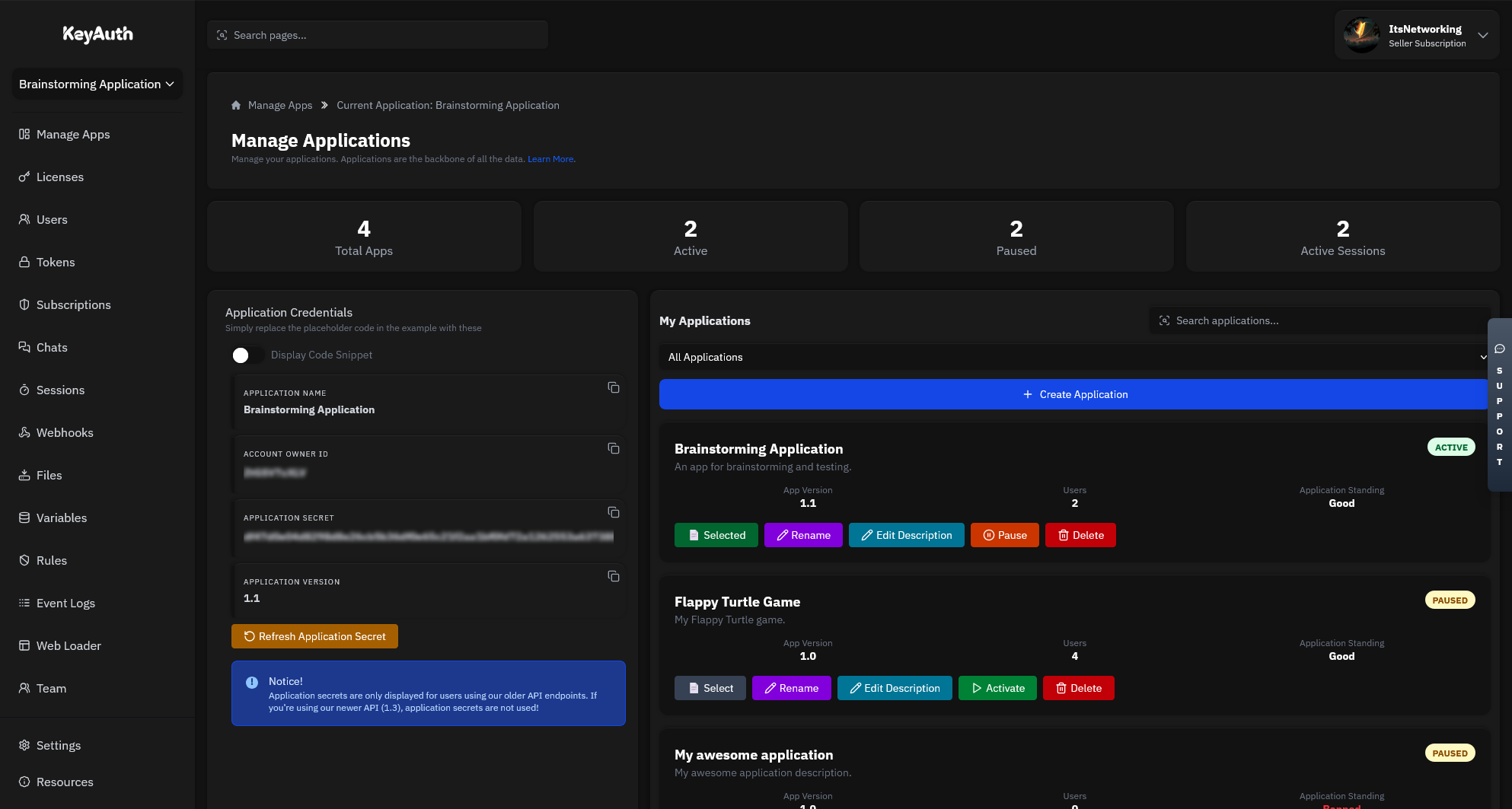
Secure, scalable, and game-changing authentication for your applications. Get started in minutes with our powerful APIs and SDKs.
Integrate into any programming language

A comprehensive suite of integrated tools for authentication, monetization, and user engagement.
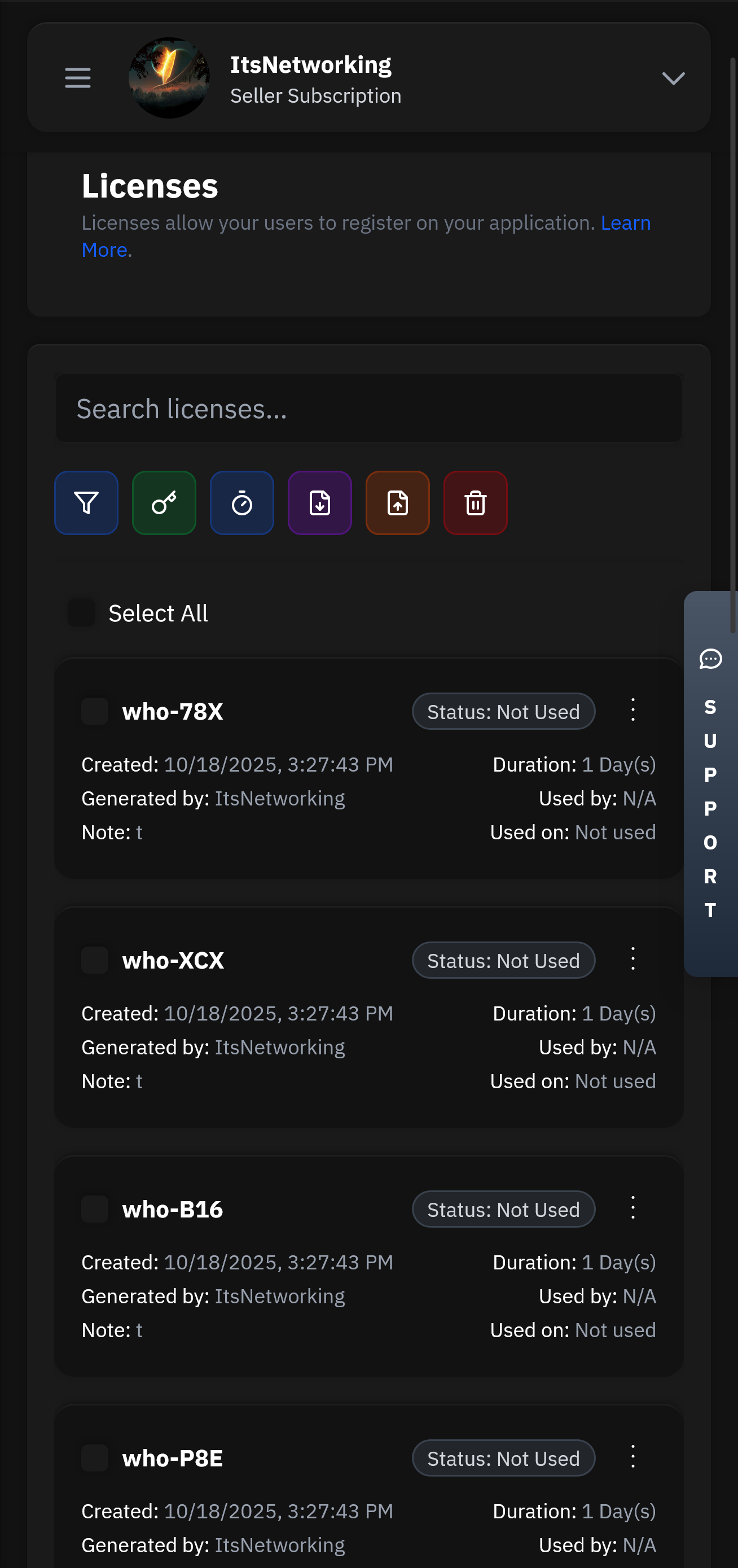
Create and manage user licenses with flexible expiration, trial, and subscription options.
Our lightning-fast infrastructure ensures your authentication requests are processed in under 50ms globally. With 99.99% uptime and redundant systems, your users will never experience delays.
Manage your applications remotely with our powerful Seller API. Update licenses, ban users, modify subscriptions, and monitor usage from anywhere in the world with full administrative control.
Built on a serverless architecture that automatically scales to handle millions of requests. Our global edge network ensures low latency and high availability across 300+ locations worldwide.
There's no question as to why we are the best choice for your business and one of the most used Authentication services.
Head over to our register page to create your account.
Applications will be the heart of your service. This is where all your users, licenses, chats and more will be stored.
Head over to our GitHub to find our examples and client API files. Simply follow the steps and have authentication up in less than 5 minutes.
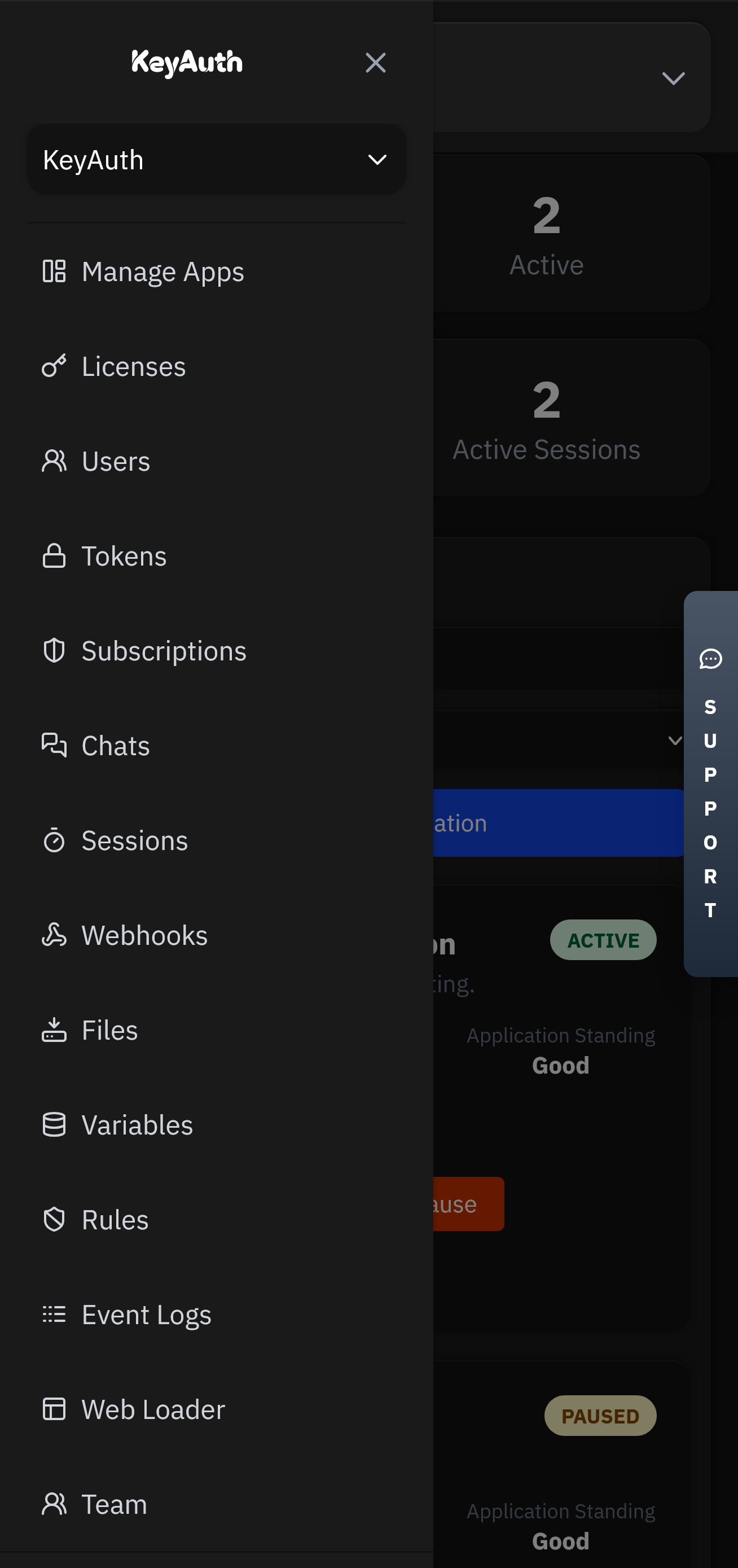
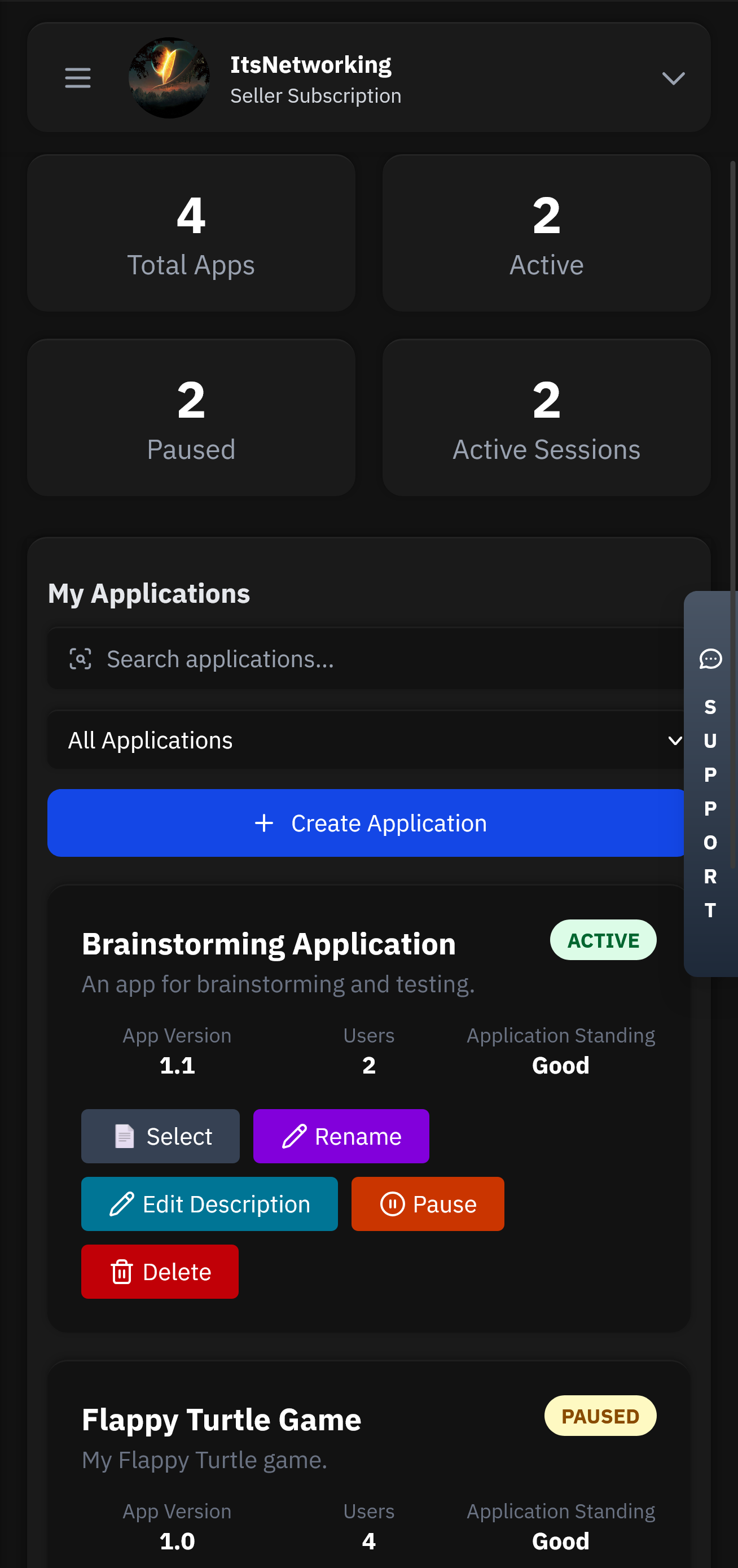
Control your application from anywhere using our mobile app. Manage licenses, chat with users, and view analytics directly from your phone or tablet.
Flexible options for teams of all sizes.
There are several reasons the PDF version is more popular than the physical book:
The diary provides a detailed account of the guerrilla war, including military engagements, skirmishes, and the movements of the ELN. Guevara describes the harsh conditions and brutal treatment of the local peasants by the Bolivian military, which often forced them to cooperate with the guerrillas.
: The diary records Guevara's growing frustration as his "foco" theory—the idea that a small vanguard could spark a mass uprising—failed to take root in the Bolivian Altiplano. The "New Man" vs. Physical Decay
Many university professors have uploaded annotated PDFs of specific chapters for their students. While you usually need a login, a free basic account on Academia.edu often grants access to these academic drafts.
For researchers and readers seeking a , understanding the context and the different editions is vital for a clear picture of this historical artifact. Historical Context: The Bolivian Campaign
One of the most poignant themes in the diary is the failure to win the "hearts and minds" of the local peasantry. A cornerstone of Guevara’s philosophy, derived from Mao and his own experience in Cuba, was that the guerrilla is a "fish" and the people are the "sea." In Bolivia, the sea was absent. The diary entries frequently note the hostility or indifference of the local farmers. Unlike the peasants of the Sierra Maestra in Cuba, the Bolivian campesinos were largely landowners and did not possess the revolutionary fervor Guevara anticipated. In several entries, he laments that the peasants were informing on his guerrilla unit to the army. This lack of support led to severe intelligence failures and made hiding in the rural landscape impossible.
To quickly locate academic or historical copies, try:


Got questions? We've got answers. If you can't find what you're looking for, feel free to reach out to our support team.