Record and replay groups of keyboard and mouse actions With the built-in action wizard editor.
|
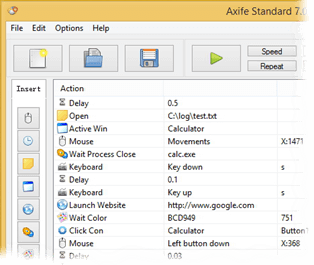 |
Record and replay groups of keyboard and mouse actions With the built-in action wizard editor.
|
|
Classic sitcom structure (A-plot, B-plot, C-plot) often isolates characters. Season 2 of Superstore weaponizes this structure. While the A-plot might be Amy and Jonah trying to fix a rogue pricing gun, the B-plot—featuring Dina hunting a bird in the rafters or Garrett making a bet about a customer’s medical emergency—provides the gut laughs. But the is where the show’s soul resides.
The pigeon just called me “peasant.” superstore season 2
Episodes like "Mateo’s Last Day" introduced the harrowing reality of Mateo’s undocumented status, handled with a mix of terror and humor that felt uniquely honest. The show proved it could be "woke" without losing its edge, using the retail setting as a microcosm for the American working class. The Iconic Interstitials But the is where the show’s soul resides
Season 2 of Superstore is widely considered the point where the series "finds its groove," evolving from a standard workplace sitcom into a sharp, urgent, and deeply empathetic comedy. It currently holds a rare 100% critic approval rating Rotten Tomatoes Critical Consensus The Iconic Interstitials Season 2 of Superstore is
Superstore has always balanced comedy with social commentary, but this storyline showcased the show's dramatic capabilities. It humanized a complex political issue without being preachy, grounding the comedy in real-world stakes. It added layers to Mateo’s character, transforming him from a scheming climber into a sympathetic figure fighting for his place in the country.
Corporate saw the review. They’re sending a “Mystery Shopper” to evaluate us. If we fail, they’ll cut our hours by 20% and replace the break room coffee with Sanka.