Record and replay groups of keyboard and mouse actions With the built-in action wizard editor.
|
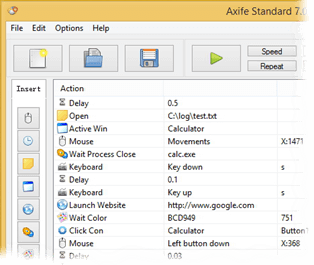 |
Record and replay groups of keyboard and mouse actions With the built-in action wizard editor.
|
|
After François confesses the affair to Thérèse during a picnic, she is found drowned in a nearby lake—an event the film leaves ambiguous as to whether it was an accident or suicide. Following a brief period of mourning, Émilie seamlessly takes Thérèse's place in the family unit, and life continues in its sunny, blissful routine.
What makes so unsettling is the visual dissonance. Varda, who was also a renowned photographer, shoots the film in lush, painterly color. She cites the influence of the Fauvist painter Henri Matisse, specifically The Joy of Life (1906). The film is a moving canvas of reds, yellows, and greens. le bonheur 1965
This guide explores Le Bonheur (1965), a provocative and visually stunning masterpiece by Agnès Varda After François confesses the affair to Thérèse during